

Inbox one zero zero one zero zero is the new Inbox zero. -rws
dot con
It would be better if all the scammers and spammers had .con addresses. -rws
iPhone 12 mini

The only Apple concealed carry I want is an iPhone 12 mini. -rws
(Reuters) - Apple Inc's security chief on Monday was indicted on bribery charges as prosecutors alleged he promised a donation of 200 iPads to the Santa Clara County Sheriff's Office to secure four concealed-weapon permits for Apple employees.
Number one, be careful. Number two, see number one

… the toilet plume — an airborne dispersal of microscopic particles created by the flush of a toilet — is a real phenomenon and, in some cases, a valid public health concern. Flushing a toilet produces both aerosol droplets that mix with the air in the room and larger droplets that land on and contaminate surrounding surfaces.
Scientists have long been interested in the possibility of toilet plumes as a vector for infectious diseases. Epidemiologic studies have found evidence implicating toilet plumes in disease outbreaks on cruise ships, in restaurants, on airplanes, and within apartment complexes. Virtually all of these cases involved pathogens that are both highly concentrated in feces or vomit and able to survive on surfaces for a relatively long time — like the norovirus, which is not only copiously excreted in feces and vomit but also able to survive for weeks on hard surfaces and resistant to some common cleaning agents.
Fortunately, when it comes to these characteristics, norovirus and SARS-CoV-2, the virus that causes the COVID-19 illness, appear to have very little in common. We know that SARS-CoV-2 can be killed by common disinfectants. We also know it has a comparatively short half-life on hard surfaces — 5.6 hours on stainless steel, 6.8 hours on plastic.
But is infectious SARS-CoV-2 virus found in feces? The answer to that question is a bit more equivocal.
We’ve known for some time that viral RNA from SARS-CoV-2 is found in feces. In fact, based on one estimate that a person infected with COVID-19 sheds between 56.6 million and 11.3 billion viral genomes per day, projects are now underway in Tempe, Arizona, and elsewhere to track community spread of the virus through wastewater analysis. But viral RNA is just a calling card of sorts. It indicates that the person who made the feces has been infected with SARS-CoV-2, but it doesn’t necessarily indicate the presence of infectious viral particles.
In fact, a detailed virological analysis of COVID-19 in nine patients, published in April, revealed no evidence of infectious virus in feces. While researchers found very high levels of infectious virus in samples from patients’ throats and lungs during the course of their illnesses, particularly during the first week, they were unable to isolate infectious viral particles in stool samples, despite finding very high concentrations of viral RNA.
However, a more recent report in the CDC journal Emerging Infectious Diseases describes finding live, infectious SARS-CoV-2 in the stool sample of a 78-year-old patient in China. The patient was severely sick with COVID-19 and later died. Researchers concluded that the finding “affirms the potential for fecal–oral or fecal–respiratory transmission and warrants further study.”
perspective

https://www.cdc.gov/nchs/fastats/deaths.htm


https://www.cgdev.org/sites/default/files/predicted-covid-19-fatality-rates-based-age-sex-comorbidities-and-health-system-capacity.pdf

My head knocks against the stars.
My feet are on the hilltops.
My finger-tips are in the valleys and shores of universal life.
Down in the sounding foam of primal things I reach my hands and play with pebbles of destiny.
I have been to hell and back many times.
I know all about heaven, for I have talked with God.
I dabble in the blood and guts of the terrible.
I know the passionate seizure of beauty
And the marvelous rebellion of man at all signs reading "Keep Off."
My name is Truth and I am the most elusive captive in the universe.
handwashing
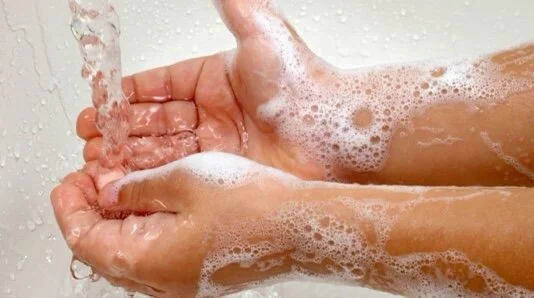
Handwashing an effective tool to prevent COVID-19, other diseases
Handwashing has always been one of most effective ways of keeping diseases at bay. It is a simple act that pays in dividends when it comes to keeping ourselves healthy and safe. Handwashing is also one of the key cornerstones of COVID-19 prevention. Now more than ever as we embrace the new normal and live with COVID-19, hand hygiene needs to become an integral part of our daily routine and our lives, as we live through this pandemic, and beyond, to protect us from diseases,’ said Dr Poonam Khetrapal Singh, Regional Director, WHO South-East Asia Region.
With COVID-19 transmission mainly spreading between people through direct, indirect (through contaminated objects or surfaces), or close contact with infected people via mouth and nose secretions, washing hands with soap and running water is of critical importance. To stop the spread of COVID-19, along with other COVID appropriate behaviours, the practice of handwashing at regular intervals is a must, after coughing or sneezing, when caring for the sick, after using the toilet, before eating, while preparing food and after handling animals or animal waste. Handwashing after touching common surfaces such as doorknobs or handles, or after one comes back home from visiting a public place will keep ourselves and others around us safe.
“Promoting hand hygiene at all levels of health care is also critical. Hand hygiene, a very simple action, is well accepted to be one of the primary modes of reducing health care-associated infection and of enhancing patient safety,” the Regional Director said.
Simple, Effective Measures Schools Can Take to Prevent Coronavirus
When it comes to curbing the spread of coronavirus, the most effective response for schools and educators may be: Think globally, act locally. As public health responses to this emerging concern continue to take shape, schools and communities can monitor the global landscape, but they should focus their attention on their local, everyday settings — classrooms, cafeterias, bathrooms, the gym — where behavior and habits can help mitigate the effects of any disease outbreak.
Handwashing remains the single most effective way to prevent the spread of infection. Mandatory handwashing policies have been linked to reduced illness-related absences. Make sure students and all school staff are aware of the importance of washing hands. Adults should practice and model good public-health hygiene on their own: handwashing, cough-covering, staying home when sick or symptomatic.
Teach best practices like scrubbing for 20 seconds with soap and warm water and making sure to clean the backs of hands, between fingers, and under the fingernails.
Encourage handwashing before meals; upon entering the building or classroom; after recess; after coughing, blowing your nose, or sneezing; and after using the bathroom.
Schools should build disease-prevention practices into daily schedules.
Add 5 minutes to lunch and recess periods to ensure students have time to wash their hands.
Build in the practice of handwashing throughout the day, during transition times.
Provide hand sanitizer at school entrances.
Set up hand-sanitizer stations in each classroom, so that each time children return to the classroom, they get a squirt. Students should be taught to spread the sanitizer evenly and entirely over both hands and to allow their hands to air-dry. (Note that public health guidance says that washing hands with soap and water is most effective, but hand sanitizers with at least 60 percent alcohol are a sound alternative when soap and water are unavailable.)
Post handwashing reminders around the school that reinforce proper handwashing techniques.
Make it a classroom habit to regularly clean or wipe surfaces that everyone touches often. Appoint students to a “clean squad,”and make it as special as being appointed line leader or any other classroom perk.
Schools should ensure that all restrooms are always well stocked with soap and paper towels. Sinks should all have hot and cold running water. Washrooms should be accessible — all students should be able to reach the sink.
Clean public washrooms frequently.