
HDMI
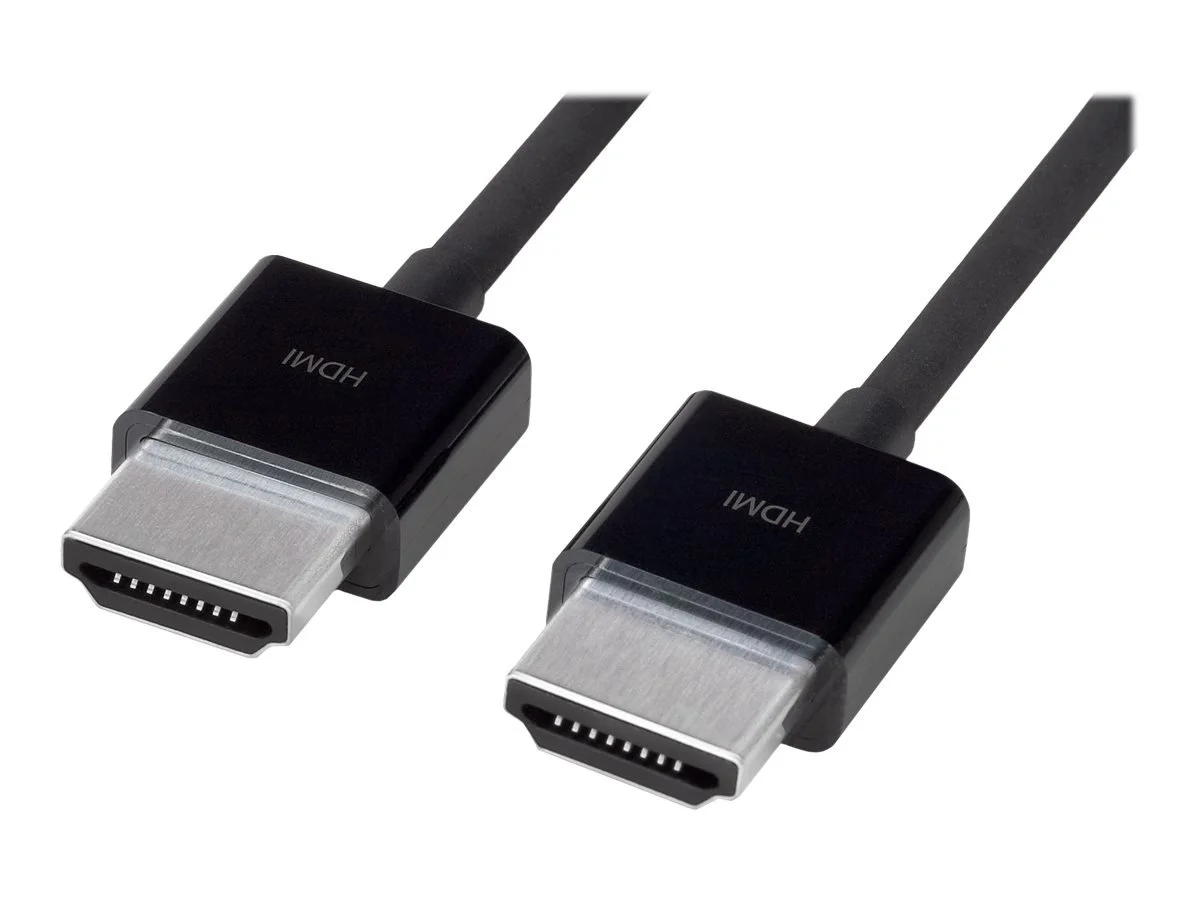
HDMI (High-Definition Multimedia Interface) is a proprietary digital interface standard for transmitting uncompressed high-definition video and audio data from compatible source devices, such as Blu-ray players, set-top boxes, and gaming consoles, to display devices like televisions, projectors, and monitors.
Developed collaboratively by a group of founding companies including Hitachi, Matsushita Electric (now Panasonic), Royal Philips Electronics, Silicon Image, Sony, Thomson, and Toshiba, HDMI was first released in December 2002 as a successor to analog interfaces like VGA, S-Video, and component video, aiming to simplify connections while supporting higher resolutions and audio formats. Nearly 14 billion HDMI-enabled devices have shipped worldwide since its inception, making it the de facto standard for consumer electronics, PCs, automotive infotainment, and professional AV systems.
The HDMI specification has evolved through multiple versions, with the latest being HDMI 2.2, which supports resolutions up to 16K at 60 Hz and 8K at 240 Hz with 4:4:4 chroma subsampling and 10- or 12-bit color depth, alongside a maximum bandwidth of 96 Gbps via its Fixed Rate Link (FRL) technology. Key features include support for advanced audio return channel (eARC), variable refresh rates for gaming, and secure content protection through HDCP (High-bandwidth Digital Content Protection), ensuring compatibility across a vast ecosystem of licensed adopters.[3][4] HDMI Licensing Administrator, Inc., oversees the licensing and compliance of the standard, promoting its adoption in diverse applications from home entertainment to industrial automation.